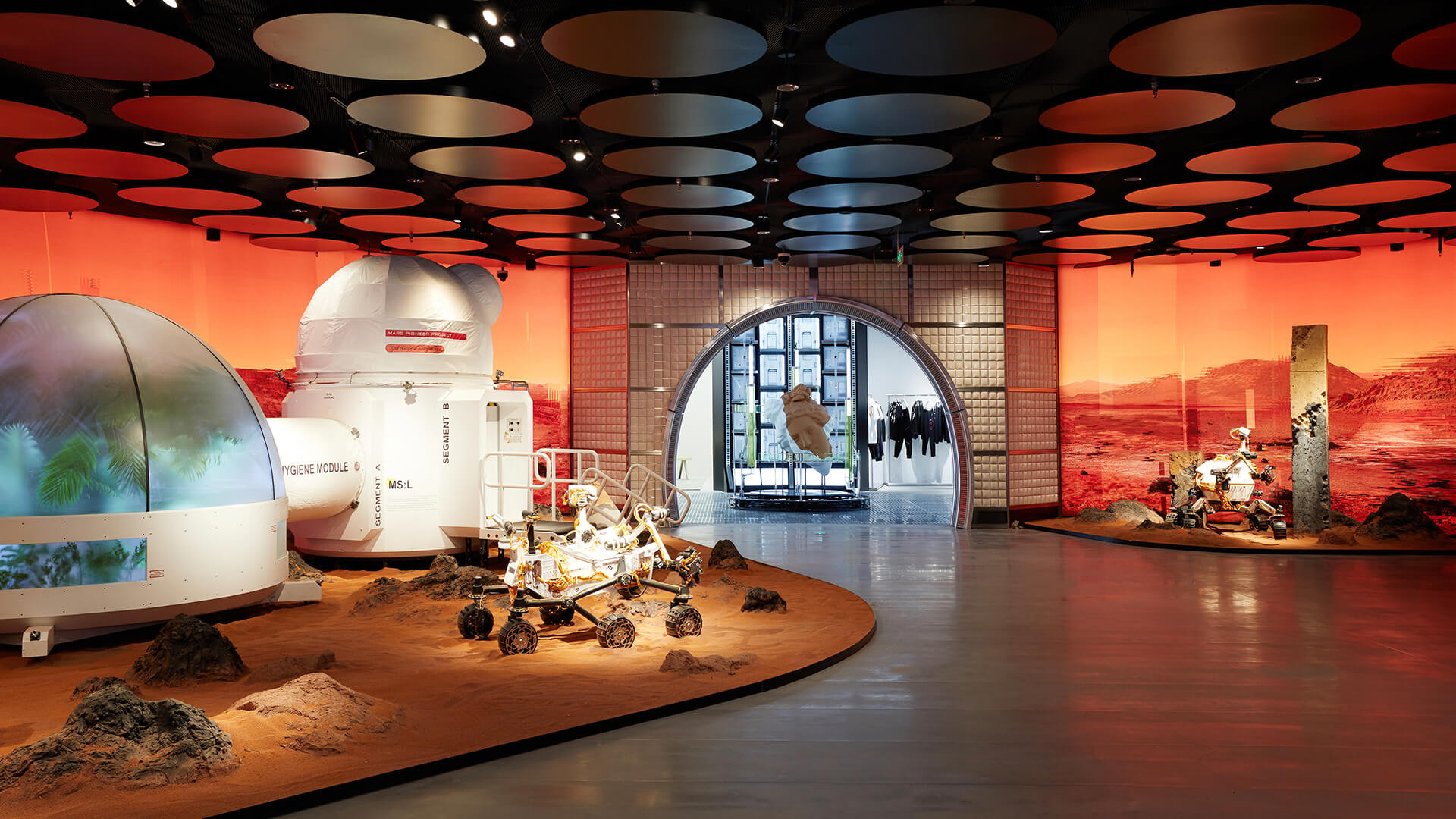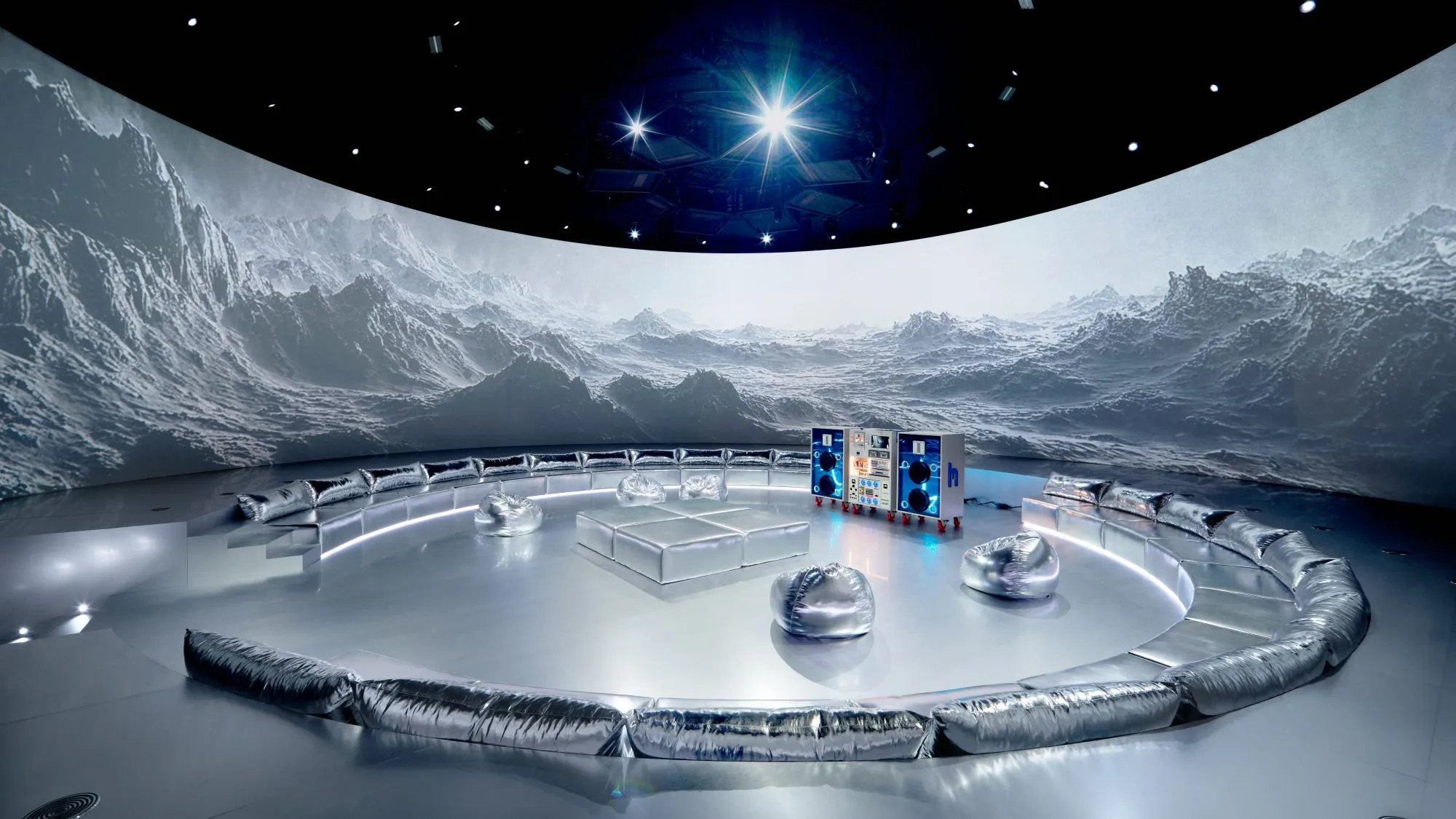
A global luxury automotive brand was developing a new retail lounge concept, a reimagining of what a showroom could be. The design team had a direction, but wanted more credibility to reassure their clients that this was the right direction. They also wanted finer details, from cultural strategy, to identify evolving meanings in luxury, experience and spatial design to incorporate into their direction. How can their retail concept leverage these cultural forces reshaping why people seek luxury? How can these insights be translated into space, service, and interaction while staying unmistakably true to the brand's own pillars?
The first phase mapped the macro shifts in modern luxury culture, within and beyond automotive, drawing on three streams of evidence.
Korea, Japan, and China, the markets carving the future of luxury retail experience, read for where the category is heading next.
Fashion, beauty, hospitality, and spirits, the categories setting the pace in retail experience, mined for principles automotive could borrow.
Conversations across UX, CX, and retail experience in these markets and domains, with the people shaping how luxury is designed and delivered.
We analysed the data and identified the core shifts reshaping luxury retail. One of the most crucial for Asia, luxury consumption becoming more participative, immersive, and narrative-driven, became the spine of the strategy.
Each shift was decoded for what it means for brand and consumer, how it manifests in culture, and its implications for the brand.
Through cultural research, expert interviews and spatial decodes, we mapped the macro shifts in luxury culture across Korea, Japan, and China. The core finding: luxury retail experiences are less about 'buying', more about the experience itself. Retail experiences are becoming more participative, immersive, and narrative-driven. This allows brands to demonstrate what they stand for, through spatial design and authentic customer engagement. These insights were drawn into guidelines that gave the design agency clear executional mandates, on how to stay relevant, land the right brand experience through luxury retail spaces.
The result: a prioritised set of design guidelines that directly informed concept creation by the design agency.
The guidelines went on to directly inform concept creation by the design agency.
Validated among potential consumers through combined qualitative and quantitative research, confirming what to include, what to exclude, and how to keep each concept true to the brand while relevant in culture.