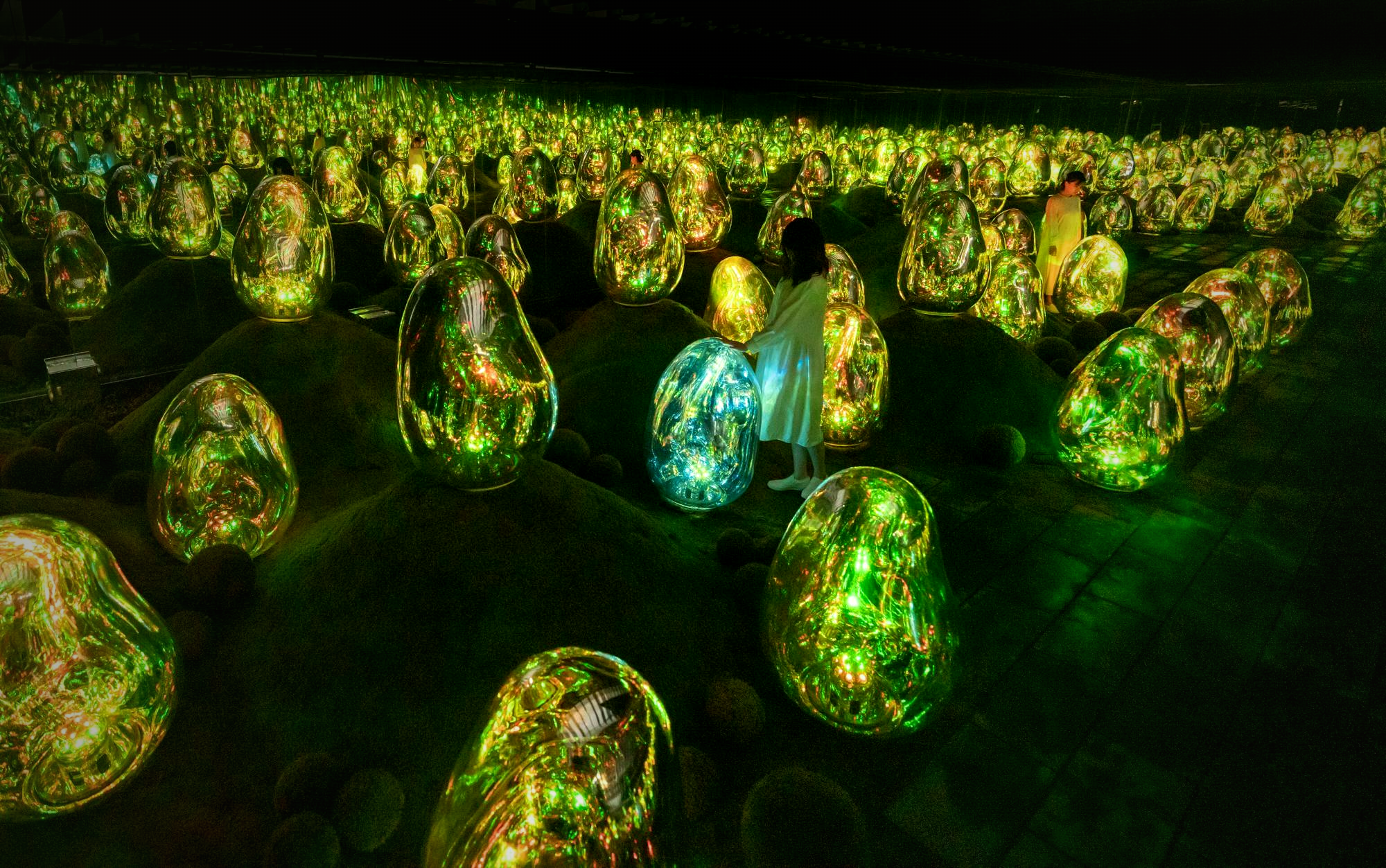
Visitors moving among glowing, mirrored ovoid forms in an immersive installation
Case study · Placemaking & experience

Mapping the Future of Urban Experiences

Placemaking and experience study for a global entertainment leader, a strategic framework based on human needs from leisure experiences, and design guidelines for ensuring these experiences also feel culturally resonant across key Asian cities.
Client
Global entertainment leader
Where
Two key Asian cities
What we did
Macro-cultural analysis · Spatial semiotics · Cultural safaris & expert interviews
The challenge

A global entertainment company was at the exploratory stage of a new urban experience format. They needed to understand what makes an experience relevant, compelling, and culturally resonant; the underlying human motives that draw people to leisure, and how those motives play out differently across cultures. The goal: a shared framework and design guidelines their teams could build from, grounded in where culture is moving in two key Asian cities.

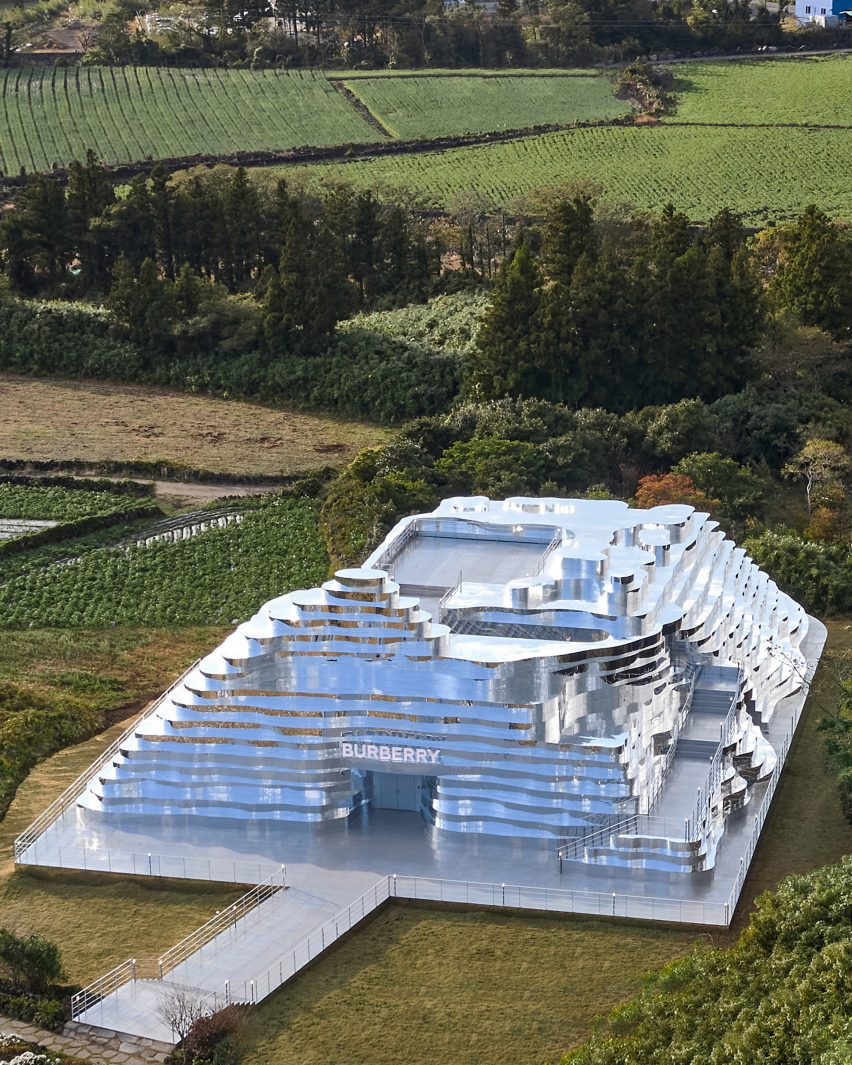
An aerial view of a mirrored, terraced experiential building set into a rural landscape
The approach · three lenses

For a study of this scale, I assembled a team of cultural analysts and local experts across both cities. Together we ran a multi-pronged cultural exploration programme, combining three lenses.

01

Macro-cultural analysis

The deep cultural currents shaping leisure and experience in each market: shifting relationships with the city, the move from formulaic to meaningful events, and the rise of digital creators.

02

Spatial semiotics

On-ground fieldwork decoding how space, design, sensory cues, interactions, and time create meaning, across dozens of experience venues in both cities.

03

Cultural safaris & interviews

Immersive client field visits and conversations with leading-edge cultural voices who know what it takes to design compelling experiences in each city.

The insight

A shift from formulaic spectacle toward mindful, authentic, participatory experiences.

Across both cities, the trajectory pointed away from formulaic spectacle toward experiences that give people agency, connect them to place and community, and help them discover something about themselves.

Each city expressed this differently, one through a desire to reconnect with local identity and reclaim the city as cultural space; the other through sophisticated fusions of physical and digital worlds and brand-led experiential ecosystems.

Output · a strategic framework of experiences

The synthesis produced a framework of the experience landscape, built on two cultural tensions — senses versus mind, collective versus intimate. This let us define four territories, each linking back to the human motive it serves and forward into design guidelines, with concrete cultural cues the design team could build from. The map became a shared language for design, concept, and business teams: a way to locate any concept in the cultural landscape, see where the whitespace lay, and design for it.

Back to
All work →
See more