
A leaf curled into a closed loop, backlit against green foliage
Case study · Systems thinking · Capability building

Building Systems Thinking Capability at WWF

A hands-on workshop that gave teams a shared language and a practical method for seeing the structures beneath everyday problems, and finding the leverage points that shift them.
Client
WWF · HR leadership
Format
Hands-on capability workshop
What we did
Workshop design & facilitation · Systems tools · Applied practice
The challenge

How do you make systems thinking a practical, everyday lens, not a theory?

WWF's HR leadership wanted to embed systems thinking across the organisation as a working habit, not a one-off talk. The goal: help teams see the structures beneath day-to-day problems, find leverage points, and build a shared language for tackling complexity together.

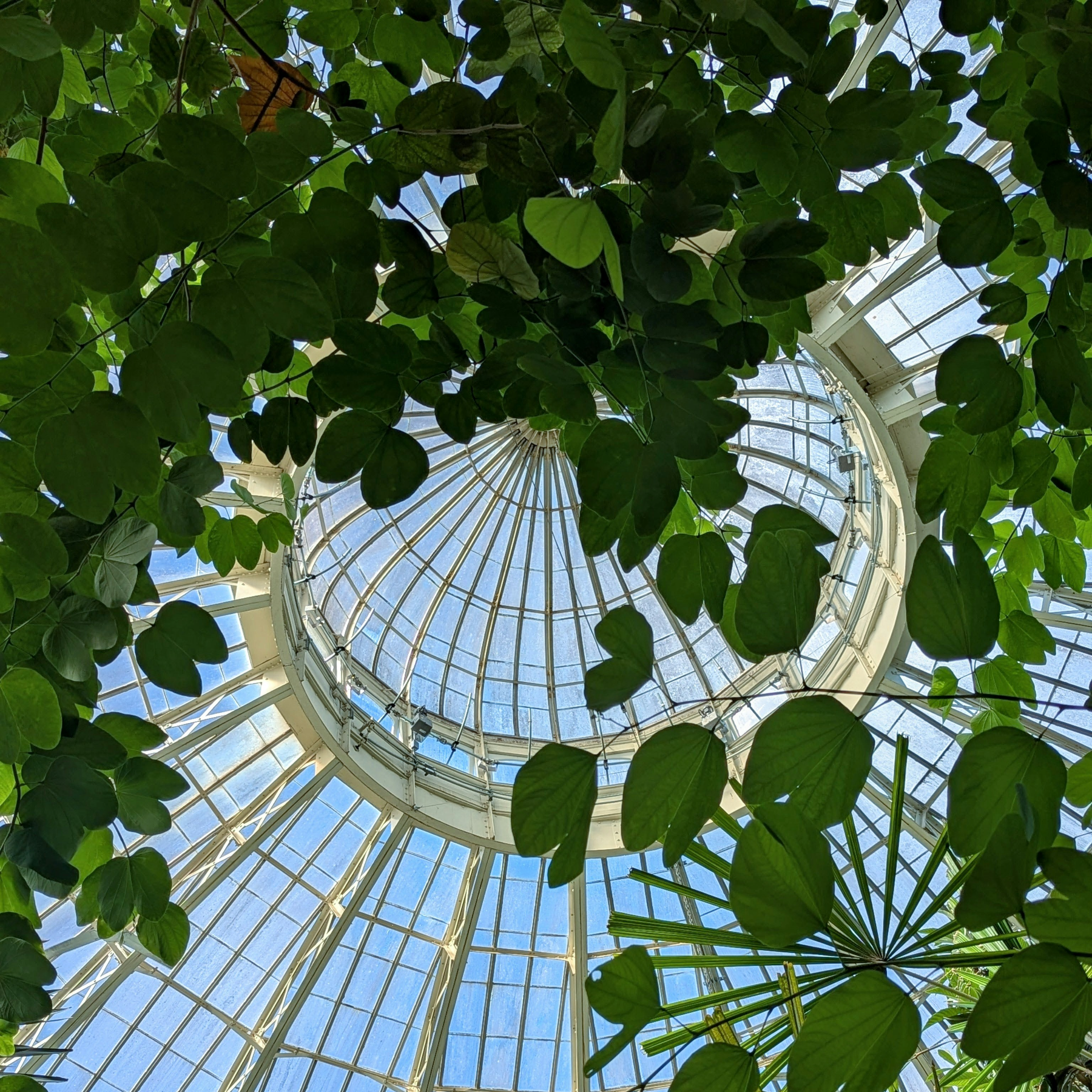
Looking up at the glass-and-steel dome of a conservatory through hanging foliage Photo · Kathleen Culbertson / Unsplash
The approach · concept to application

I designed and led a hands-on workshop that moved participants from understanding to doing. Throughout, they worked on live scenarios from their own roles - so they left with practical ways of unlocking issues, rather than going down a negative spiral. A brief outline of the workshop included:

01

What is a system?

Elements, interconnections, and purpose, what actually makes something a system, and why purpose is the key to reading one.

02

Diagnosing systems

The iceberg model, moving from visible events down through patterns and structures to the mental models that hold them in place.

03

A closer look

Reading behaviour-over-time and mapping causal loops, shifting from linear cause-and-effect to circular, dynamic thinking.

04

Archetypes & leverage

Recognising common system archetypes, and spotting where to intervene for change that lasts, rather than a quick fix that rebounds.

The outcome

A shared vocabulary, a practical toolkit, and a habit of asking “what's really going on here?” before jumping to solutions.

Staff left able to see their work systemically, separating symptoms from root causes and pressure-testing quick fixes before acting, rather than reacting to isolated incidents.

Just as valuable was the mindset it encouraged: curiosity and problem-seeking, a more resilient, collaborative way of solving problems that maps naturally onto WWF's own culture of collective action.

Back to
All work →
See more